
Sustainable living is about making mindful choices that reduce our environmental impact and promote harmony with nature. It involves conserving resources, minimizing waste, and adopting habits that support ecological balance. Here are some practical steps to integrate sustainability into daily life.
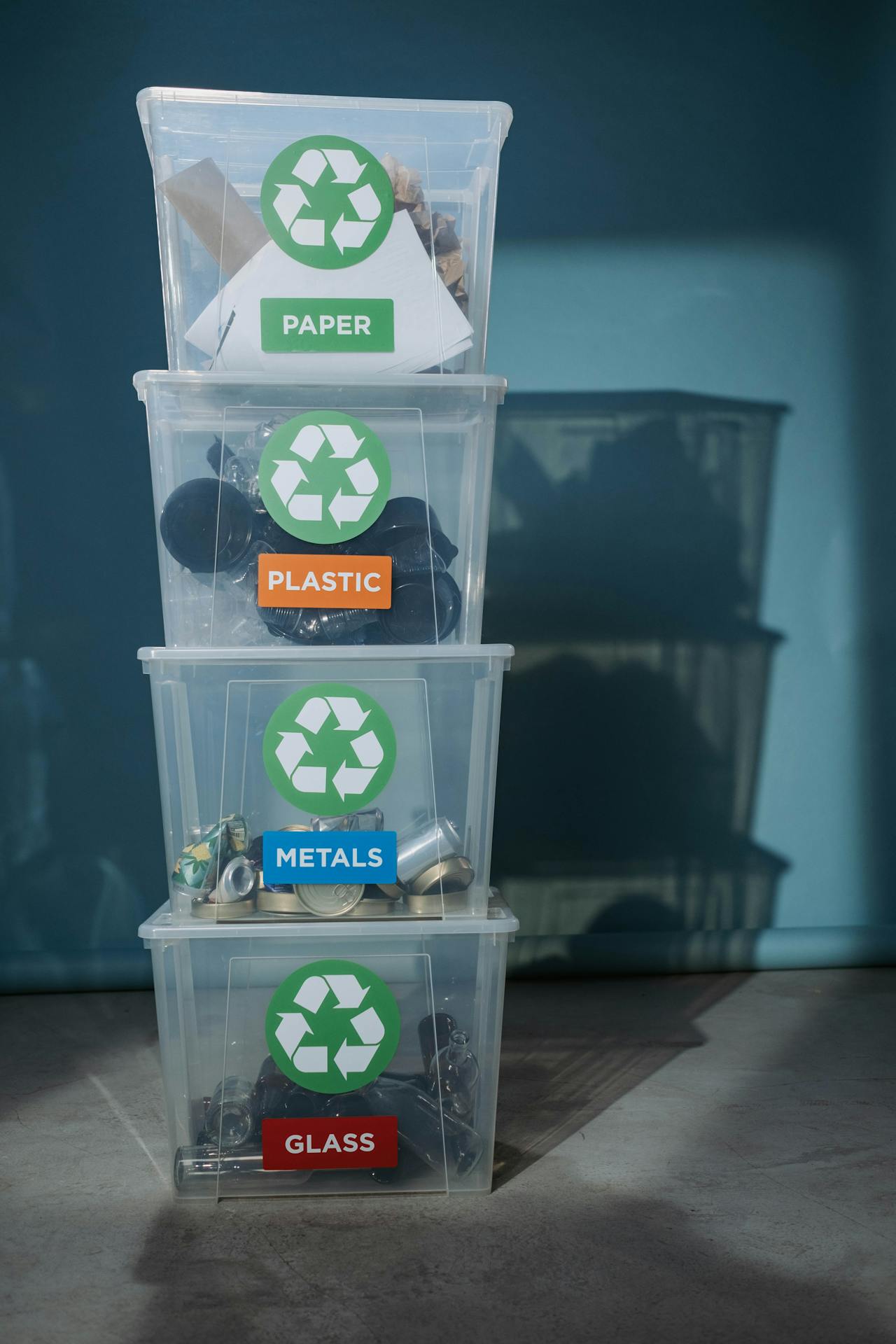
Reduce, Reuse, Recycle
At the heart of sustainable living is the three Rs: reduce, reuse, and recycle. Start by reducing consumption, especially of single-use plastics and items with excessive packaging.
Opt for reusable alternatives like cloth shopping bags, stainless steel water bottles, and glass containers.
Recycling properly ensures materials like paper, plastic, and metal are repurposed, reducing landfill waste.
Energy Efficiency
Conserving energy is crucial in mitigating climate change. Switch to energy-efficient appliances and LED lighting, which consume significantly less electricity.
Unplug devices when not in use, and consider investing in renewable energy sources like solar panels.
Simple habits, such as using natural light during the day and lowering your thermostat in winter, also make a difference.

Sustainable Transportation
Transportation contributes substantially to carbon emissions. Walking, biking, or using public transportation reduces your carbon footprint. For longer distances, carpooling or opting for electric vehicles are eco-friendly alternatives. Remote work and virtual meetings can also cut down on travel-related emissions.
Conscious Consumption
Adopt a sustainable diet by prioritizing plant-based foods, which generally have a lower environmental impact than animal-based products. Support local farmers and choose organic, seasonal produce to minimize the ecological cost of transportation and chemical use. Reduce food waste by planning meals, storing food properly, and composting scraps.

Green Habits at Home
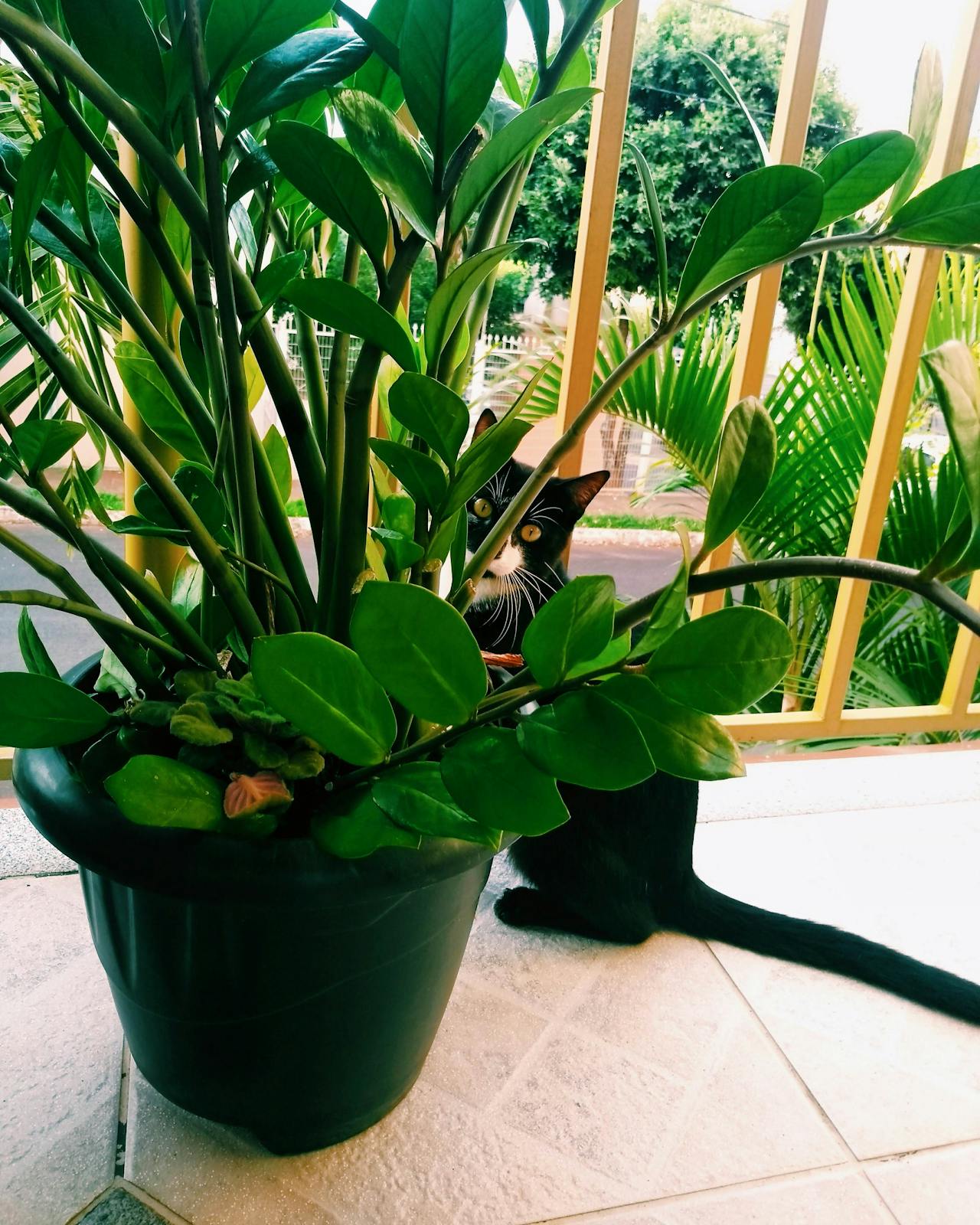
Create an eco-friendly home by incorporating natural materials, using non-toxic cleaning products, and cultivating indoor plants to improve air quality. Gardening, whether in a backyard or through urban initiatives like community gardens, supports biodiversity and provides fresh produce.

Water Conservation
Freshwater is a precious resource. Simple practices like fixing leaks, using water-saving fixtures, and collecting rainwater for gardening can conserve water.
Additionally, reducing meat consumption indirectly saves water, as meat production is water-intensive.
Advocate and Educate
Sustainability is a collective effort. Share knowledge and inspire others to adopt eco-friendly habits. Support policies and organizations that prioritize environmental conservation and renewable energy.
By embracing these sustainable living practices, we can contribute to a healthier planet for future generations, proving that small, consistent actions can create lasting impact.