In today’s fast-paced world, our minds are constantly bombarded with information, tasks, and distractions. Adopting a minimalist lifestyle can bring much-needed mental clarity, allowing us to focus on what truly matters. By simplifying our lives, we can create space for better mental health, productivity, and peace. Let’s explore five benefits of minimalism and how you can easily incorporate them into your daily life.

1. Reduced Decision Fatigue

When our lives are cluttered with choices—what to wear, what to eat, or what task to prioritize—we experience decision fatigue, which can lead to stress and poor decision-making. Minimalism helps reduce this by streamlining options. Start by creating a capsule wardrobe with versatile clothing pieces. Tools like closet organizers, which you can find on Amazon, can simplify this process. Focus on items you love and wear often, and donate the rest. This small step can clear both your physical and mental space.
2. Enhanced Focus and Productivity
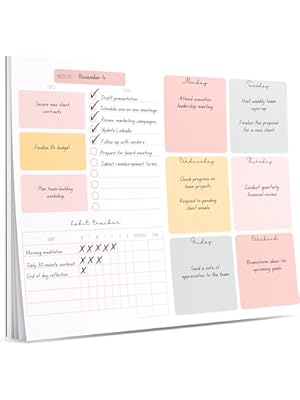
Clutter isn’t just physical; it can also be mental. A messy workspace, for example, can hinder your ability to concentrate. Declutter your workspace by investing in desk organizers or minimalistic storage solutions available online. Tools like digital task managers, such as Todoist or Notion, can also help you prioritize and manage your time effectively. By reducing distractions, you can focus more intently on your goals and work with greater efficiency.
3. Improved Emotional Well-Being

Physical clutter often translates to emotional clutter. Seeing piles of unnecessary items can evoke feelings of guilt or overwhelm. Embracing minimalism allows you to create an environment of calm and peace. Start with one area of your home, such as your bedroom. Use storage bins or under-bed organizers to neatly store essential items. Candles or simple decor can create a serene space that fosters relaxation and positivity.
4. Greater Financial Freedom
Minimalism encourages mindful consumption, reducing impulse purchases and unnecessary spending. By buying only what you need, you can save money and focus on experiences rather than possessions. Create a budget or use apps like Mint to track your spending habits. Consider using a reusable shopping list or meal-planning tools to avoid over-purchasing groceries. These changes not only reduce physical clutter but also ease financial stress.

5. Heightened Gratitude and Mindfulness
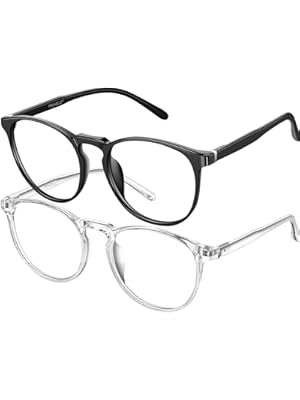
When you live with less, you tend to appreciate what you have more deeply. Minimalism encourages mindfulness by helping you focus on the present moment. Incorporate this practice by decluttering your digital life—unsubscribe from unwanted emails, organize your phone apps, or reduce screen time. Tools like blue light-blocking glasses or simple timers can assist in fostering healthier habits. As you let go of excess, you’ll likely find yourself feeling more content and grounded.
Call to Action
Start your minimalist journey today by decluttering one small area of your home or setting aside 10 minutes to organize your thoughts. Explore tools like storage solutions, digital planners, or budgeting apps to make the process easier. Remember, small, consistent actions can lead to lasting change.
Disclaimer
The information in this article is for informational purposes only. Please consult a healthcare professional before making significant lifestyle changes.